Future-Proofing Your Home: The 100-Year Siding and Roofing Materials That Are Available Today
Investing in durability: roofing and siding that last for decades.
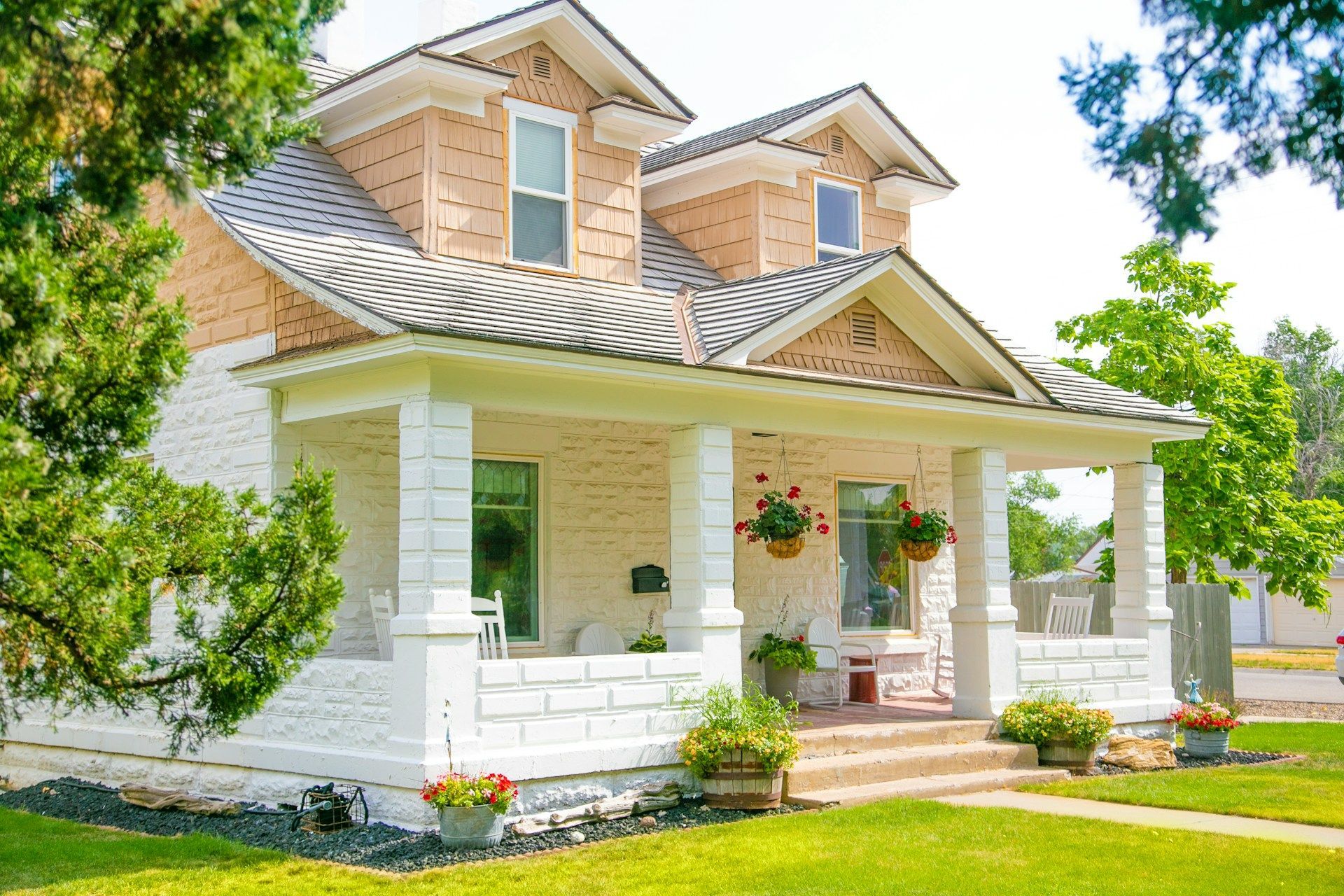
For many homeowners across Central Pennsylvania, particularly those settling down in the State College area, the goal is simple: to stop the endless cycle of exterior repair and replacement. The traditional cycle—a new roof every 20 years, a paint job every seven, and perpetually loose vinyl siding—is expensive, frustrating, and disruptive.
The concept of future-proofing your home means selecting premium, high-longevity materials designed to last 50, 75, or even 100 years. This philosophy involves a higher initial investment but provides substantial long-term savings by eliminating multiple replacements, labor costs, and maintenance headaches. At PrimEX Exterior Solutions, we specialize in offering these ultimate durability systems that transform your home into a generational asset.
Here is a look at the longest-lasting materials available today for your roofing and siding.
The 100-Year Roof: Metal, Slate, and Clay
When thinking long-term, traditional asphalt shingles, which typically require replacement every 20 to 30 years, simply do not make the cut. You must look to materials that outlast the structure of the house itself.
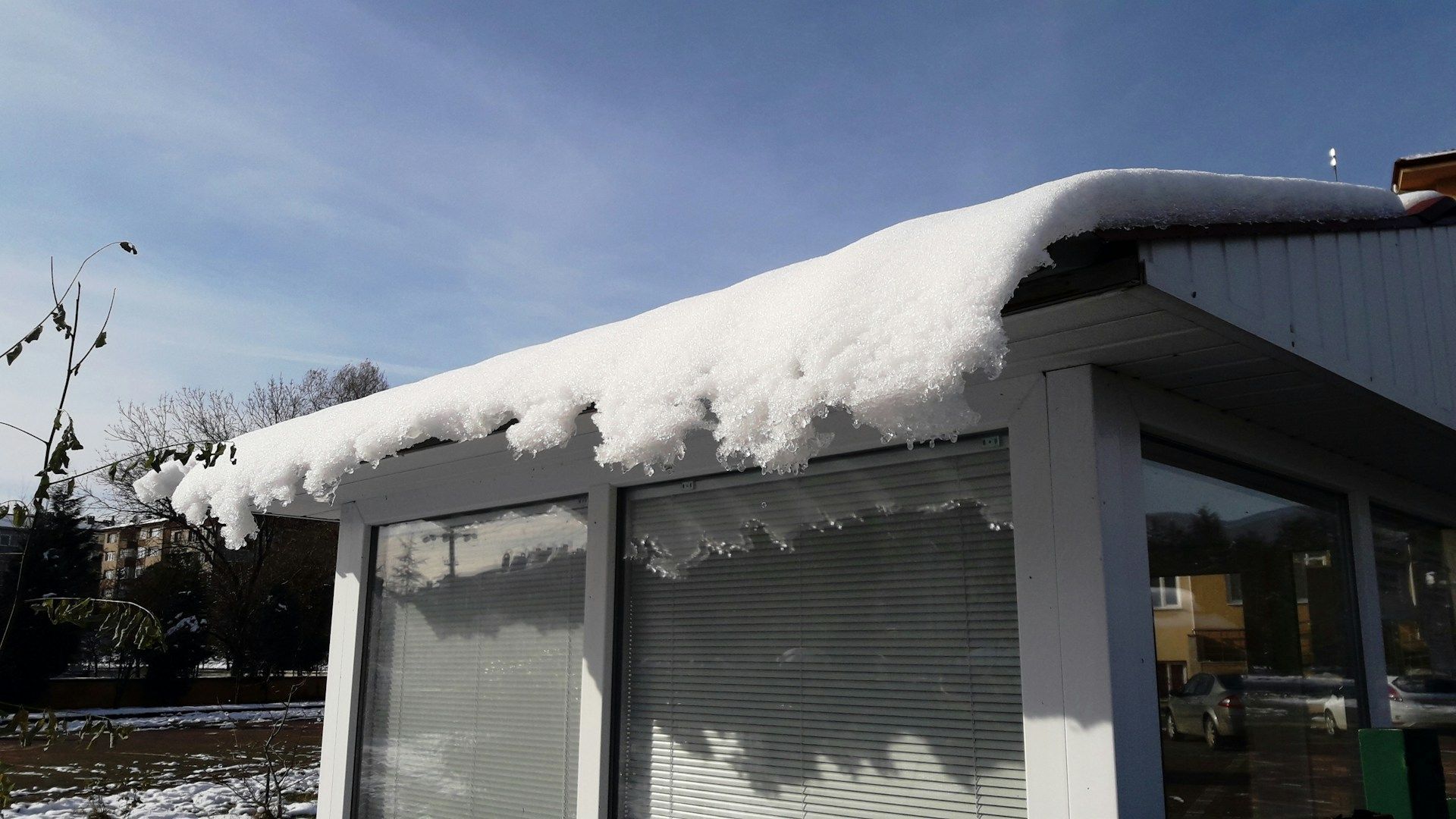
- Metal Roofing (50-70+ Years): A properly installed standing seam metal roof is the most practical long-term investment. Modern metal systems, often made of durable, coated steel or aluminum, are highly resistant to fire, wind, rot, and insects. They shed snow and ice easily, reducing the risk of ice dams common in Centre County winters. While the initial cost is higher than asphalt, the total cost of ownership over 50 years is significantly lower, as you eliminate one to three asphalt replacements.
- Slate and Clay Tile (75-150 Years): These materials are the definition of a generational roof. Slate and tile are non-combustible, extremely beautiful, and offer unparalleled durability. While installation requires specialized expertise and is the most expensive option, a slate roof is often guaranteed to last for well over a century. For homeowners focused on maximum historical authenticity and longevity, slate is the ultimate choice.
The Ultra-Durable Wall: Fiber Cement and Masonry Alternatives
Your siding system accounts for the largest area of your exterior envelope. Future-proofing here means eliminating rot, insects, and excessive maintenance.
- Fiber Cement Siding (50+ Years): This is the ultimate "set-it-and-forget-it" material for walls. Made from a blend of cement, sand, and cellulose, fiber cement is fire-resistant, impervious to pests, and handles the freeze-thaw cycles of the Pennsylvania climate with ease. Unlike wood, it doesn't rot, and unlike vinyl, it does not melt or warp. With a new coat of paint every 10-15 years, it will easily perform for half a century.
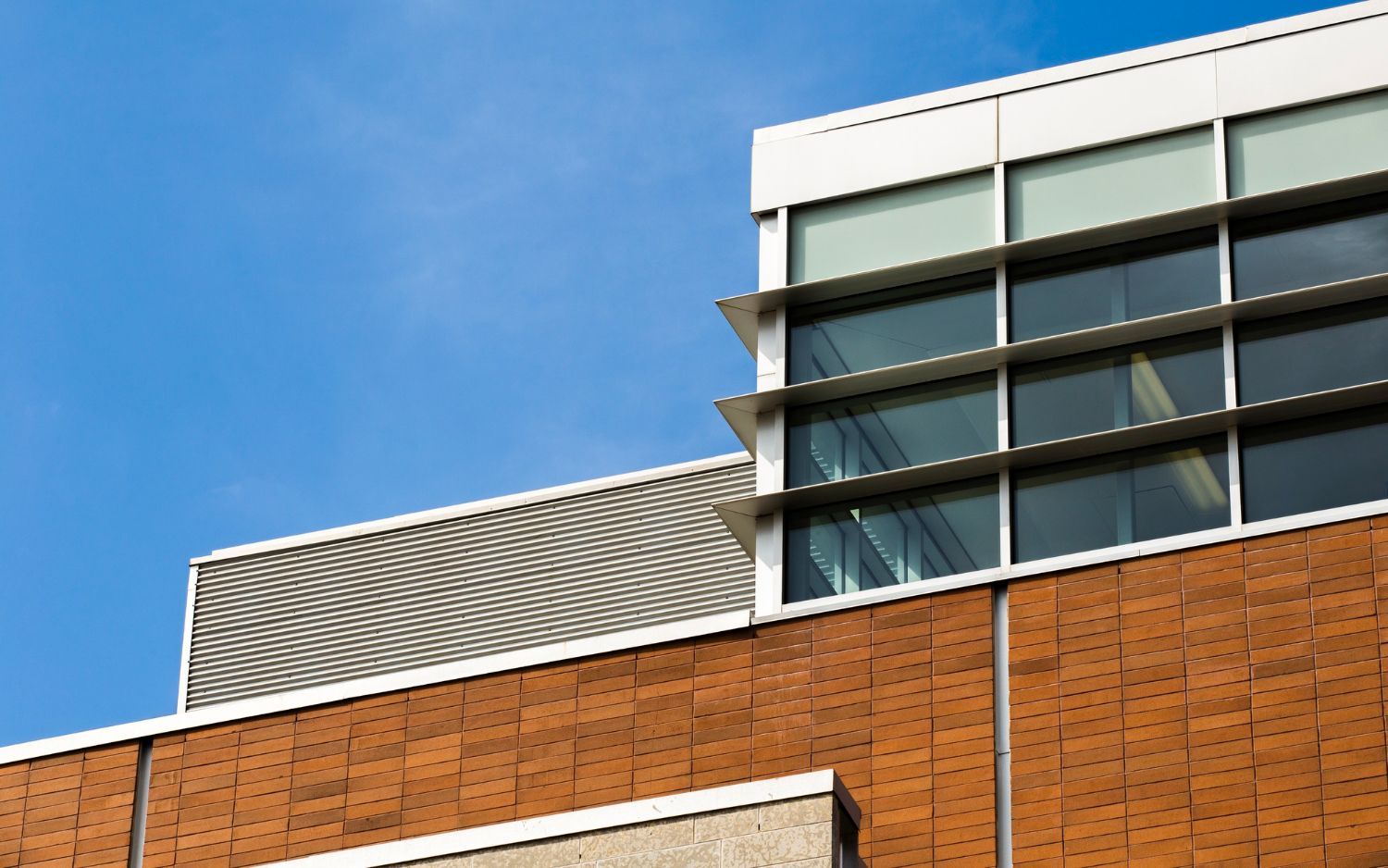
- Metal Siding (40-70 Years): Increasingly popular in both contemporary and modern farmhouse designs, metal siding (steel or aluminum) offers similar durability benefits to metal roofing. It is resistant to fire and pests and requires virtually no maintenance beyond cleaning. Modern metal siding comes in a variety of styles, including wood-grain finishes, providing both longevity and aesthetic flexibility.
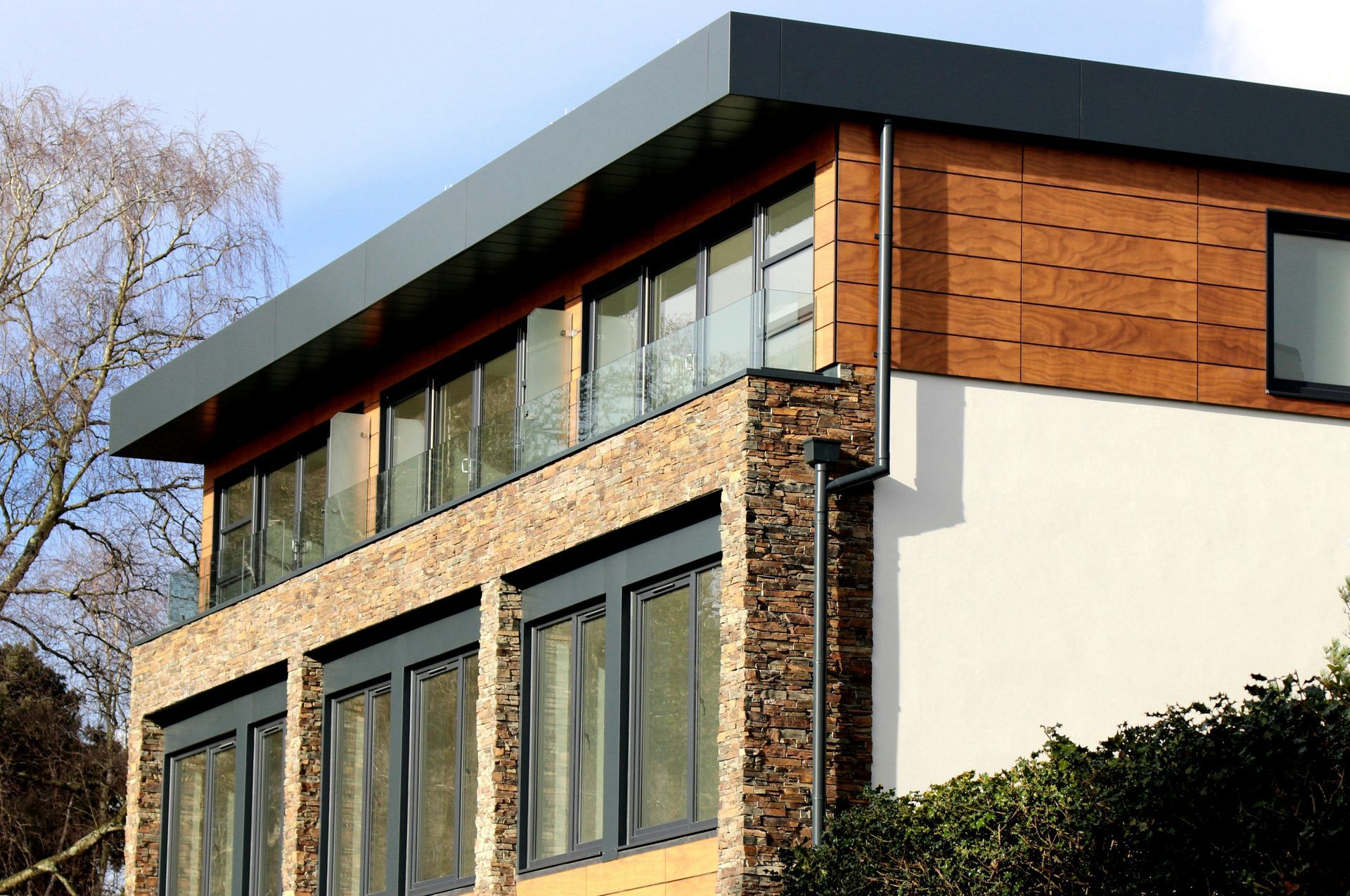
- Stone and Brick Veneer: While a major investment, stone or brick veneer siding is nearly maintenance-free and can easily last 75 to 100 years. It provides exceptional insulation and thermal mass, contributing to lower heating and cooling costs and establishing a permanent, stately aesthetic for your property.
By selecting these long-life exterior systems, you are not just remodeling; you are making a conscious decision to maximize the value, durability, and resilience of your home, effectively future-proofing your investment for generations to come.