Preparing for Solar: The Roof Requirements Your Installer Won't Tell You
Why your roof is the foundation of a successful solar installation.
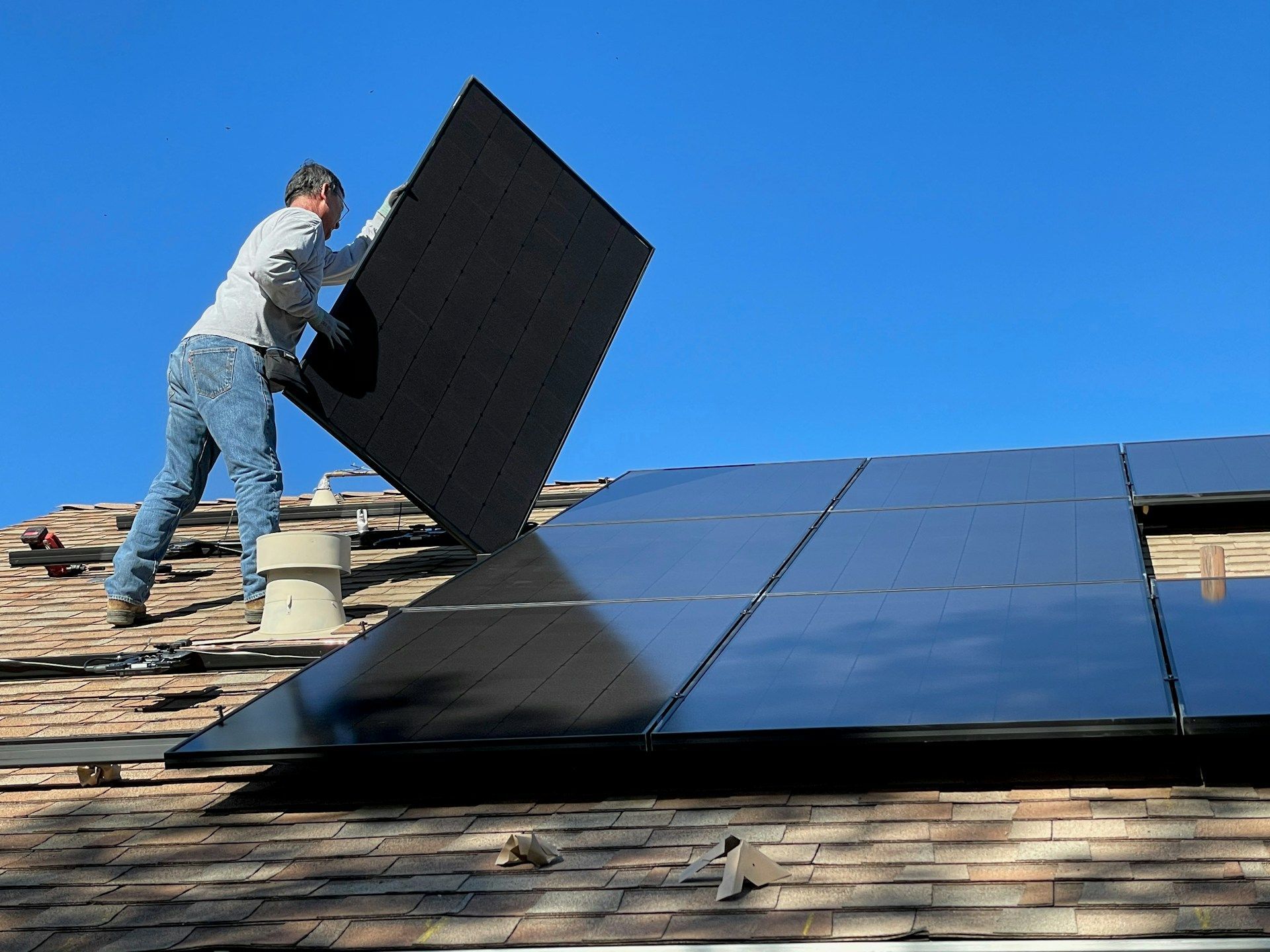
The move to solar energy is one of the best investments a homeowner in Central Pennsylvania can make. It dramatically reduces utility costs, enhances energy independence, and is a strong selling point for any State College resident. However, before a single solar panel is mounted, the most important part of the entire system must be considered: the existing roof structure.
Solar panel installation is a major commitment that involves drilling dozens of holes into your roof. While the solar company is focused on energy production, your exterior contractor, like PrimEX Exterior Solutions, is focused on ensuring the platform—your roof—will last as long as the 25-year performance warranty of the panels themselves. Ignoring the roof’s readiness can lead to massive, expensive problems down the line.
Here are the critical, often-overlooked roof requirements you must address before signing any solar contract.
The Life Expectancy Check: A Critical 15-Year Rule
The biggest financial mistake a homeowner can make is installing solar panels on an aging roof. Most architectural asphalt shingle roofs have a lifespan of 25 to 30 years. Solar panels, however, are typically warrantied for 25 years of performance.
If your roof is 10 to 15 years old, you will likely need a full roof replacement five to ten years after the solar panels are installed. When that time comes, the process is far more expensive: the solar crew must first remove and store the panels, your roofing crew must complete the tear-off and re-shingle, and then the solar crew must return to reinstall the entire system. This double labor charge can easily cost you tens of thousands of dollars more than doing the roof replacement now.
Our recommendation for any homeowner considering solar in the State College area is simple: If your roof has less than 15 years of guaranteed life remaining, replace it first.
Structural Integrity and Load Capacity
A typical residential solar panel installation adds significant weight to your roof—around three to four pounds per square foot, not including the mounting hardware. While most modern homes in Centre County are built to handle this load, it is not a guarantee.
The added weight, particularly when combined with the extreme snow loads we experience in winter, requires a mandatory structural assessment. A qualified roofing contractor can inspect the decking and rafters to confirm the roof’s load-bearing capacity. You need assurance that your structure can handle the weight of the system, plus the weight of a foot of snow, without stress or sag.
The Warranty Pitfall: Installation and Penetration
Your roof warranty and the solar warranty are two entirely different things, and one can easily void the other.
- Roofing Manufacturer Warranty: Many shingle manufacturers specify that the use of non-approved mounting equipment or installation methods by a third-party solar installer can invalidate your roof’s warranty. This is a massive risk. We recommend using a roofing contractor who works closely with the solar installer to ensure all roof penetrations use manufacturer-approved flashing and sealing techniques. The safest approach is often having the roofer install the flashing before the solar team mounts the racking.
- The Workmanship Guarantee: You need a strong, explicit guarantee from your solar installer that covers any roof leaks resulting from their penetrations. Additionally, look for a comprehensive workmanship warranty from your roofing contractor that details how they handle future issues when the panels are present.
The Ventilation Problem
Solar panels create a thermal blanket over the section of your roof they cover. This can block proper airflow from your attic’s ridge and soffit vents, leading to heat buildup beneath the panels and, ironically, increasing the risk of ice dam formation at the eaves. A certified roofing contractor knows how to plan for this. We ensure adequate air channels are maintained and may recommend increasing the number of vents in uncovered areas to compensate for the panel's thermal effect.
By treating your roof as a long-term, high-performance platform for your solar investment, you prevent premature failure and ensure your home is protected for the entire life of your energy system.