The State College Style Guide: A Visual History of Siding and Roofing Trends in the Area
A simple guide to the exterior styles that shape local homes
Architecture tells the story of a community, and the homes across State College and the greater Centre County region are no exception. From the stately, historical styles near the Penn State campus to the thriving, modern subdivisions emerging across the county, every roofline, porch column, and siding panel reflects a specific era of American design and local development.
Understanding these architectural styles is key for any homeowner planning an exterior remodel. Whether you want to restore your home to its historical authenticity or blend traditional form with a modern, high-performance aesthetic, knowing your home’s heritage is the first step. PrimEX Exterior Solutions has worked on hundreds of homes across Central Pennsylvania, giving us a unique perspective on the evolution of exterior trends.
Here is a visual history and style guide to the most common home types you will find in our area, focusing on the defining characteristics of their siding and roofing systems.
Era 1: The Victorian and Colonial Revival Influence (Late 19th Century – 1930s)
Homes built in the earliest neighborhoods of State College and surrounding towns often reflect the complexity of the Victorian period or the symmetry of the subsequent Colonial Revival movement.
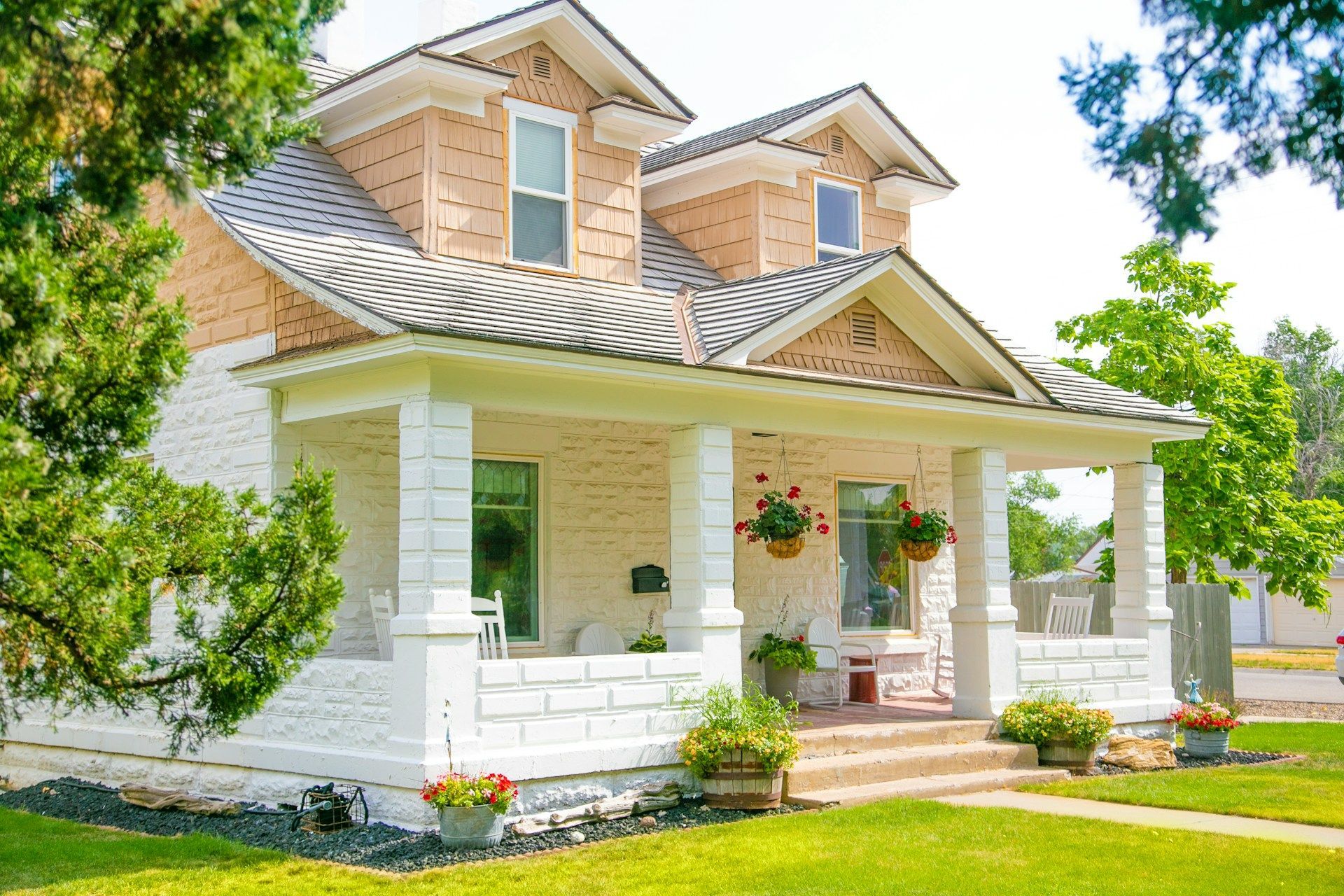
- Queen Anne and Victorian Styles: These homes are characterized by steep, asymmetrical rooflines, often featuring round or polygonal turrets and expansive porches. The exterior is a textural feast.
- Siding: Often features mixed materials, including patterned wood shingles on gables, horizontal clapboard or wood siding on the main body, and sometimes masonry or brick on the first floor.
- Roofing: Historically, roofs were complex systems of slate or wood shake shingles, designed to accentuate the irregular roof forms and multiple dormers. Today, high-quality architectural asphalt shingles are often used to mimic the dimensional look while providing modern weather protection.
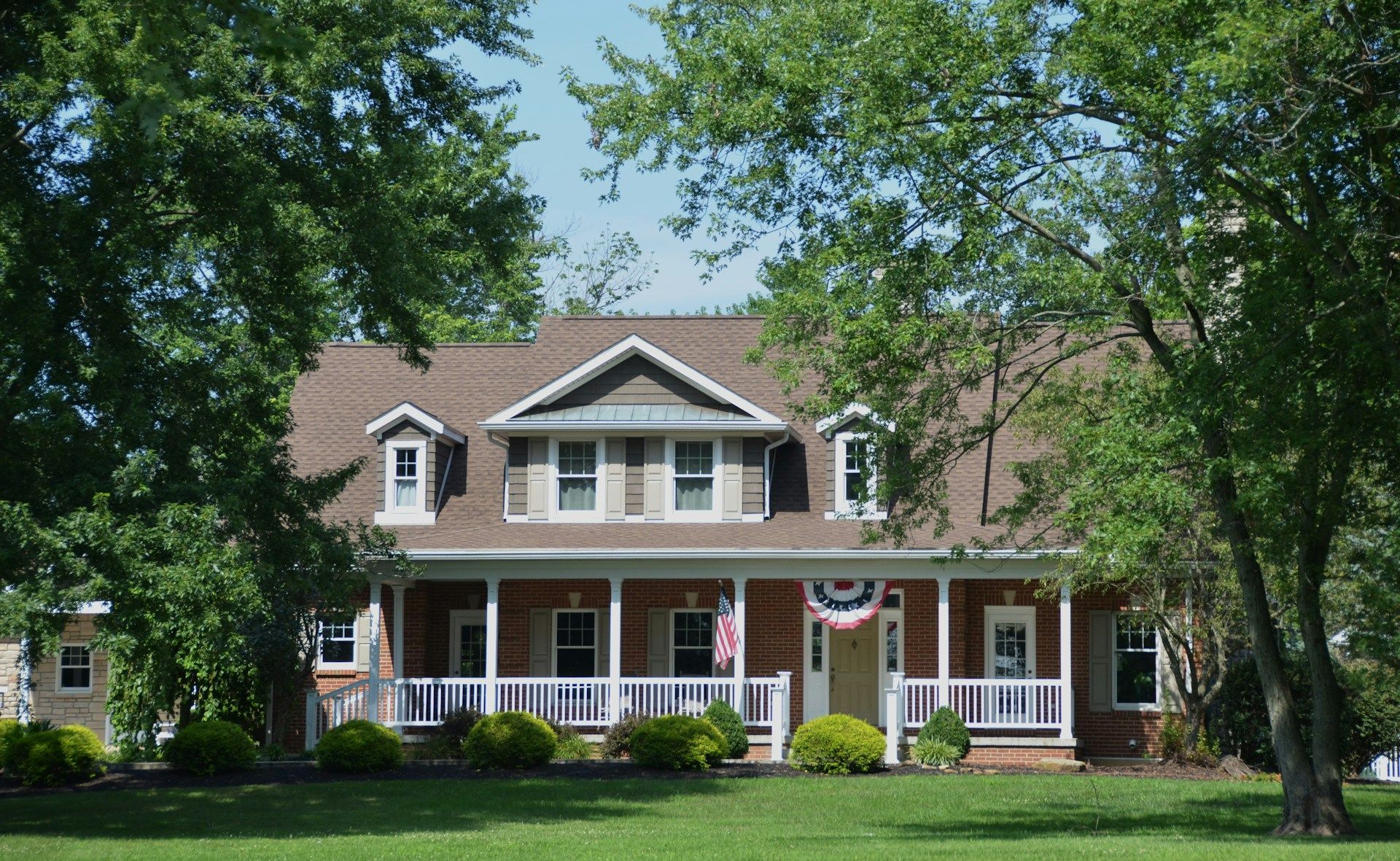
- Colonial Revival: Popular throughout the early 20th century, this style favored simplicity, symmetry, and a clean, formal facade—a deliberate reaction against Victorian excess.
- Siding: Characterized by horizontal clapboard or painted wood siding, usually painted white, with contrasting dark shutters and trim. Modern replacements often use premium vinyl siding or fiber cement siding for maximum durability and minimal maintenance.
- Roofing: Simple, side-gabled roofs were the norm, often using asphalt or wood shingles.
Era 2: The Craftsman and Post-War Homes (1900s – 1960s)
As the population grew with the university’s expansion and the post-war housing boom, new, more accessible styles emerged.
- Craftsman Bungalow: Emphasizing natural materials and hand-crafted details, these homes are prominent in established neighborhoods. They feature low-pitched gable roofs with deep overhangs and exposed rafters.
- Siding: Usually incorporates a mix of materials: natural cedar shingles or shakes in the gables and horizontal wood siding or brick/stone at the base. Restorations often use textured fiber cement siding to replicate the look of wood with zero maintenance.
- Roofing: The low-pitched roof is commonly finished with asphalt shingles. The deep overhangs are integral to the design, protecting the siding and windows from rain and sun.
- Ranch and Split-Level: These styles dominated the suburban expansion across the State College area after World War II. They are defined by their long, low profiles and simple, functional designs.
- Siding: Almost exclusively simple horizontal siding, typically vinyl siding, chosen for its affordability and ease of installation in new developments.
- Roofing: Simple, low-pitched gable or hip roofs covered with standard three-tab or early architectural asphalt shingles. Replacement projects often upgrade to high-performance metal roofing for decades of protection.
Era 3: Modern Trends and High-Performance Exteriors (2000s – Present)
Contemporary design and high-performance material science drive current trends in new construction and major remodeling projects across Central PA.
- The Modern Farmhouse: The most dominant style today, blending rustic simplicity with industrial accents. Defined by vertical lines, crisp trim, and contrasting colors.
- Siding: The signature look is vertical board and batten siding, often achieved using low-maintenance materials like vertical vinyl or fiber cement. This is frequently mixed with stone veneer wainscoting or horizontal lap siding for textural depth.
- Roofing: Clean lines are key, often featuring darker-colored architectural shingles or, increasingly, standing seam metal roofing for a sharp, durable finish and a dramatic aesthetic.
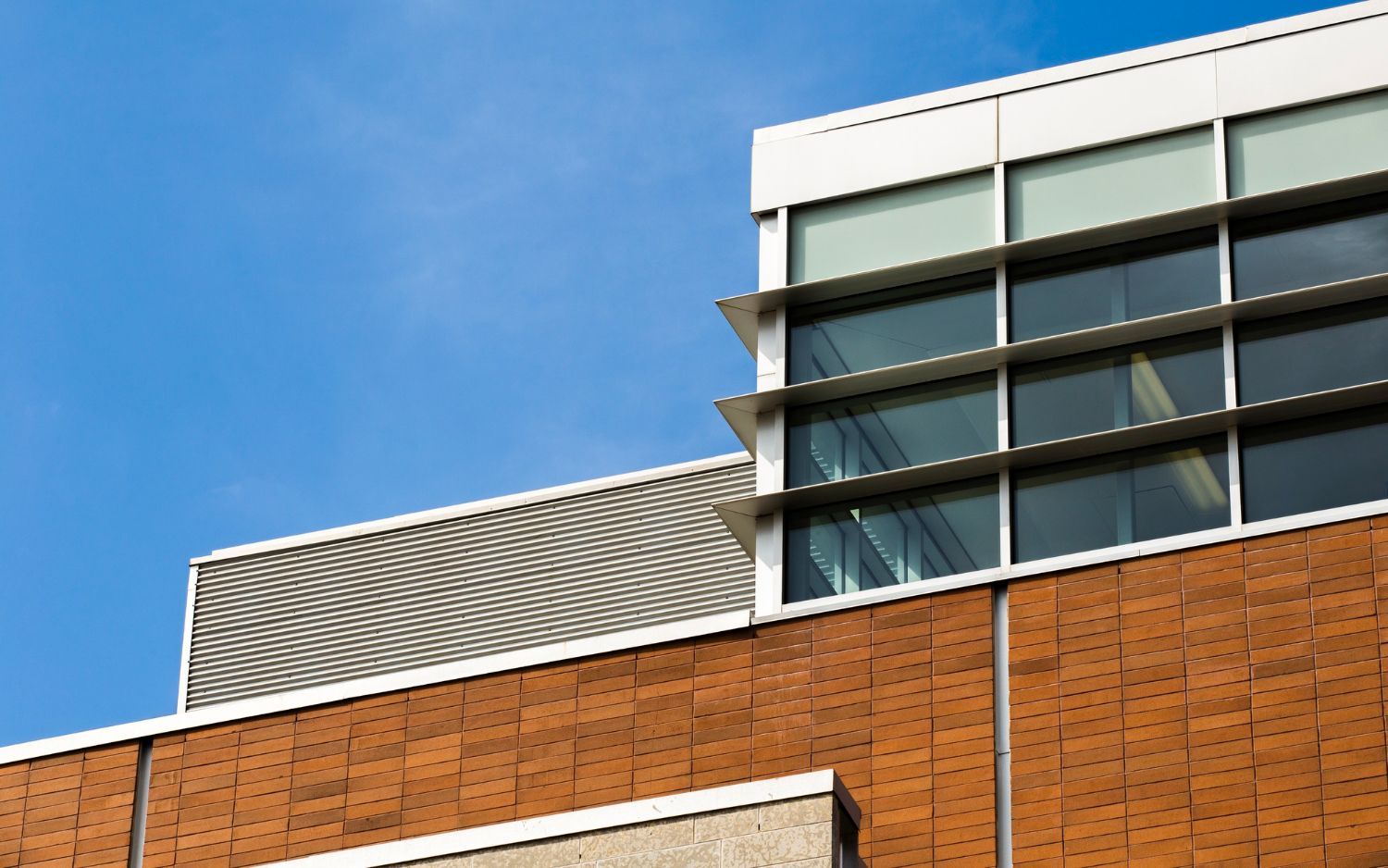
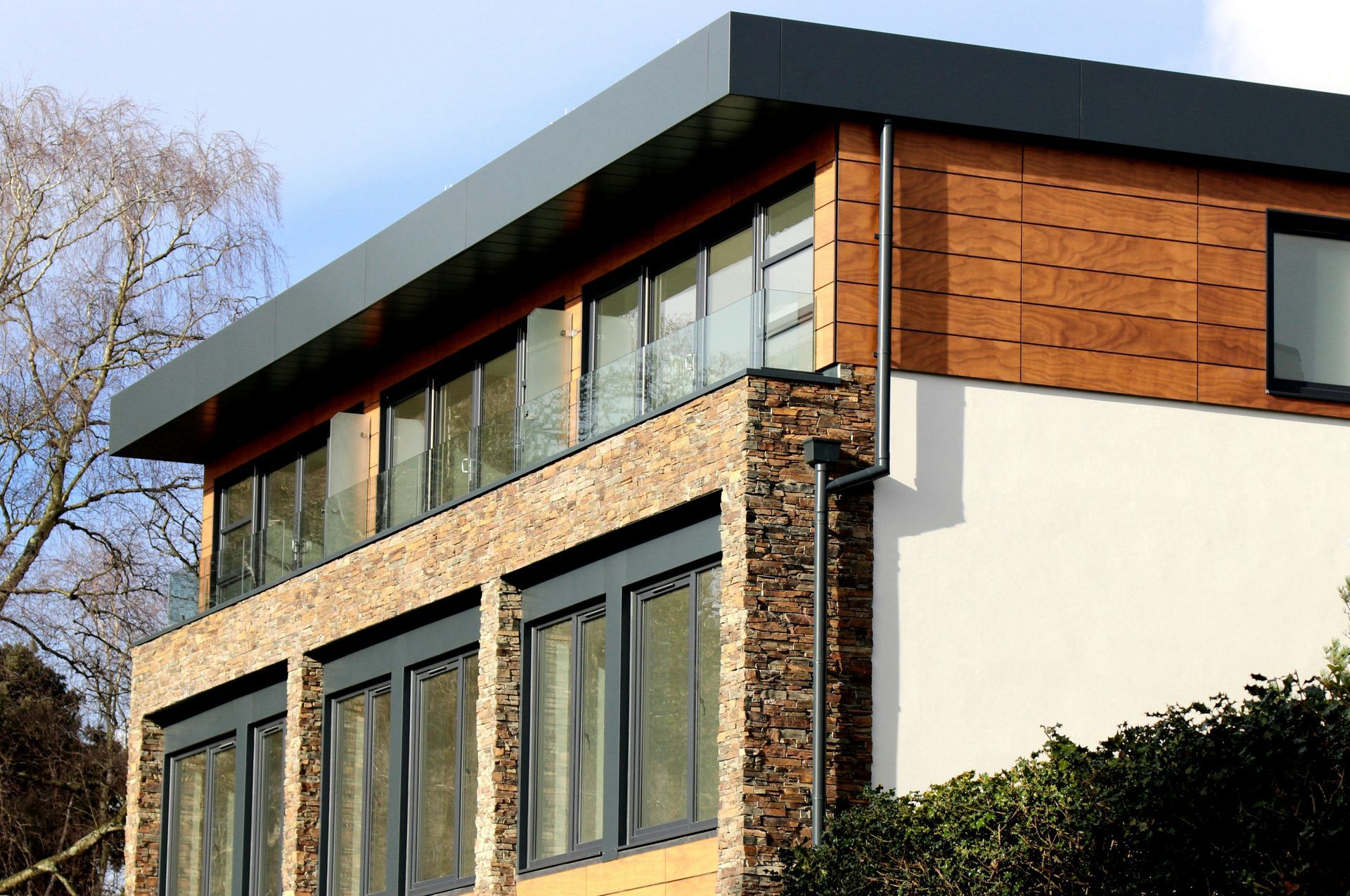
- Contemporary/Transitional: These custom homes favor clean, geometric forms, often integrating unique materials.
- Siding: Utilizes a dramatic mix of smooth fiber cement panels, horizontal wood rain screens, and large sections of glass or stone. The color palette often relies on deep charcoal, black, or natural wood tones.
- Roofing: Low-slope or flat roof sections are common, requiring specialized TPO or membrane roofing systems for watertight performance. Pitched sections use metal roofing or sleek, large-format shingles.
Whether you own a historic Colonial near campus or a modern ranch on the outskirts of State College, the experts at PrimEX Exterior Solutions understand the details of your home’s architecture. By choosing the right siding and roofing materials, we ensure your exterior remodel honors your home’s style while delivering the superior durability and energy efficiency required for living in Central Pennsylvania.